

How to choose the right cable modem
How to cull the right cable modem
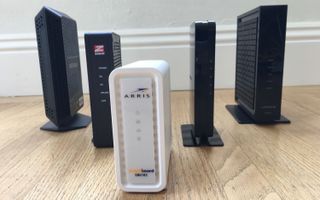
When it comes to choosing a cablevision modem for your abode internet service, y'all have two choices: Pay up each month to rent a beat-up, ancient model from your net service provider, or buy your own make-new device for a fraction of the price over time. It's non a very hard determination.
What's tougher, however, is picking the all-time cablevision modem. A couple years back, I bought a new cable modem (a Netgear CM700-100NAS, which is thoroughly decent, albeit somewhat expensive at the time), and I realized that modem manufacturers often highlight terrific features — 32 ten 8! DOCSIS iii.1! Gigabit speeds! — without ever actually explaining what these features mean, or why they might be beneficial to your home setup.
- All-time Wi-Fi routers available correct now
- Know the differences: Modem vs. router
With that in mind, here's an updated guide that can (hopefully) demystify modem specs. I can't tell you which modem is right for your dwelling house, since that depends on your cable provider, your net service packet and your upkeep. But once you understand what all the cabalistic terminology ways, y'all'll find that in that location are probably a scattering, rather than dozens, of choices worth because.
Modem or modem/router?
First things commencement: How happy are you with your router? If you upgraded your router recently just bought your modem sometime around the signing of the Declaration of Independence, you probably just need a standalone cable modem. Modern routers are compatible with simply about every modem on the market, so just make sure your firmware is upgraded, and you'll be all set.
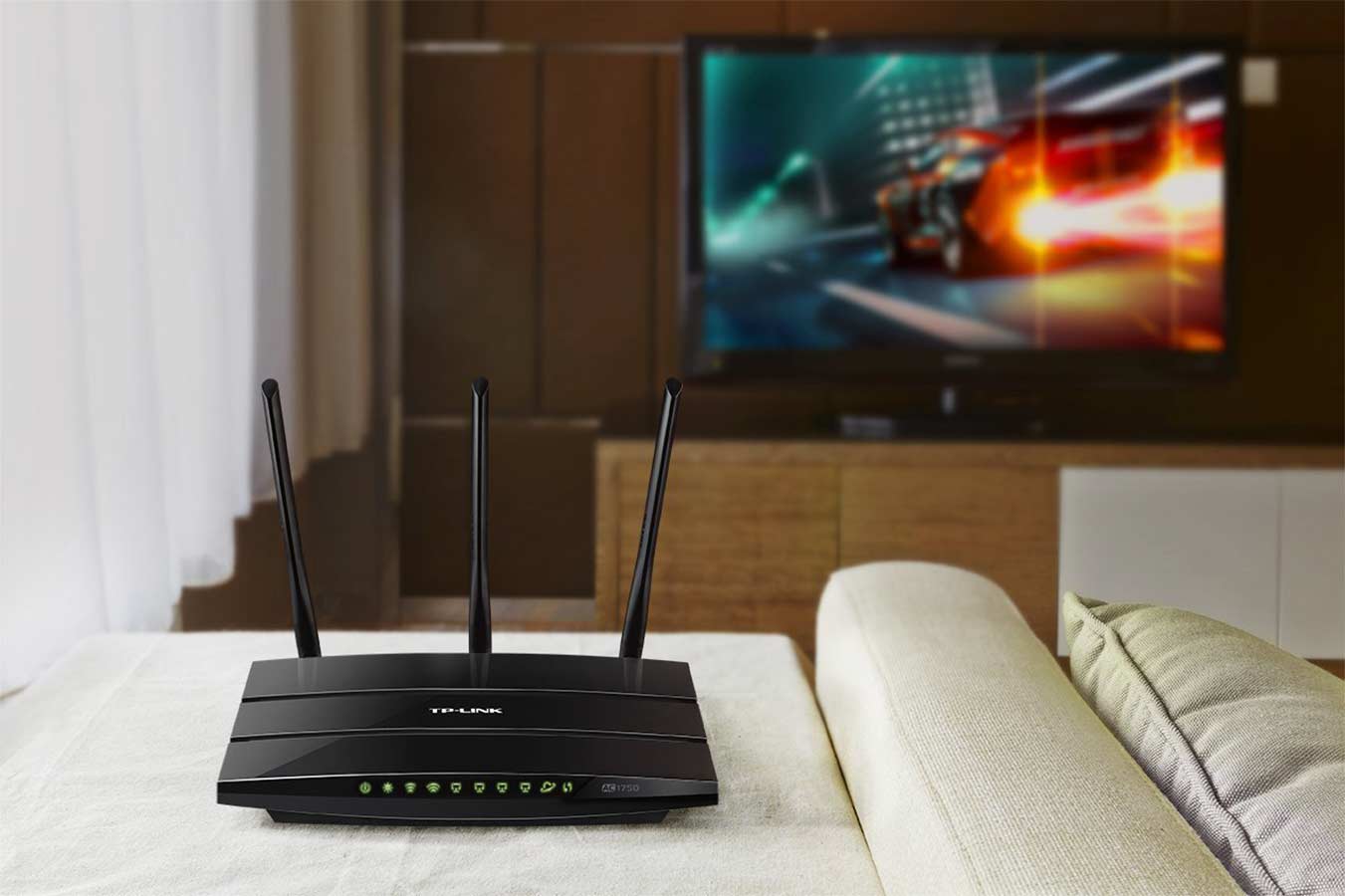
(If you're still using a router provided by your cablevision company, you should send information technology back and buy a new router immediately. Equally with modems, cable companies usually accuse exorbitant rental fees for subpar routers, and information technology takes less than a yr for a new router to pay for itself.)
| Internet service provider | Monthly cable modem rental fee |
| Comcast | $fourteen |
| Spectrum | Included with service |
| Cox | $7-$10 |
| Frontier | $ten |
| Suddenlink | $10 |
| Sparklight | $eight |
| Wow | $xiv |
| Mediacom | $11.50 |
If your router is besides looking a bit long in the digital tooth, though, a cablevision modem/router philharmonic — also called a gateway — is one possible way to become. These devices are exactly what they sound like: digital receivers that can pick up a indicate via a coaxial cable then transmit the wireless indicate across an entire house.
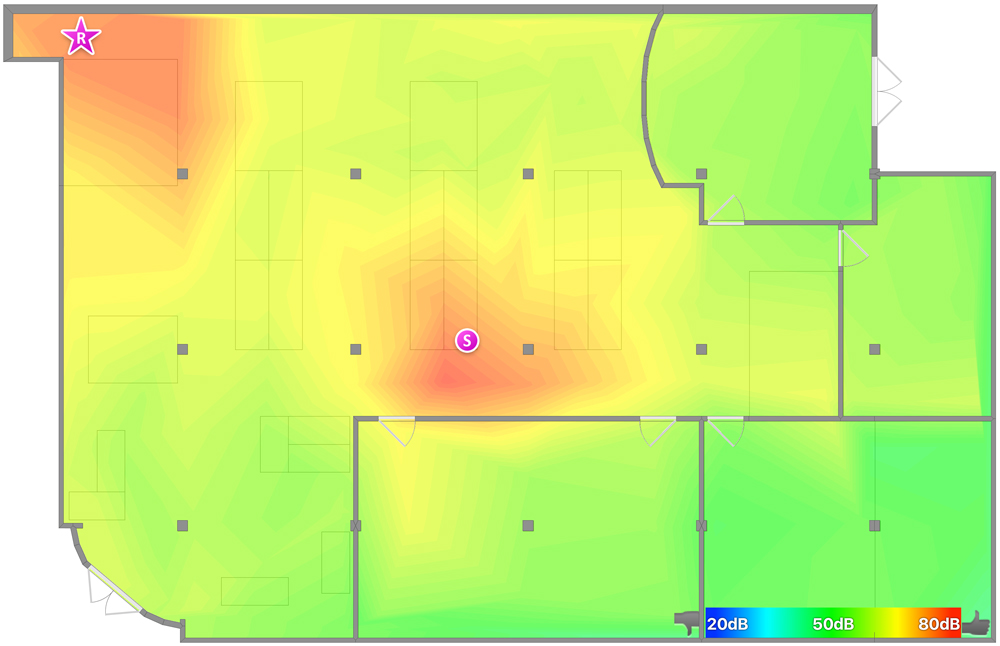
For small homes and apartments, they can get the chore washed, although Tom's Guide doesn't usually recommend modem-router hybrids. If something goes incorrect, your unabridged net setup is shot, and it'south easier — and cheaper — to upgrade modems and routers separately.
DOCSIS protocols
When y'all buy a modem, you lot'll meet one acronym featured very prominently: DOCSIS. Most modernistic modems use either the DOCSIS 3.0 or 3.1 protocols, only neither manufacturers nor retailers always actually explicate what this means or why the distinction is important.
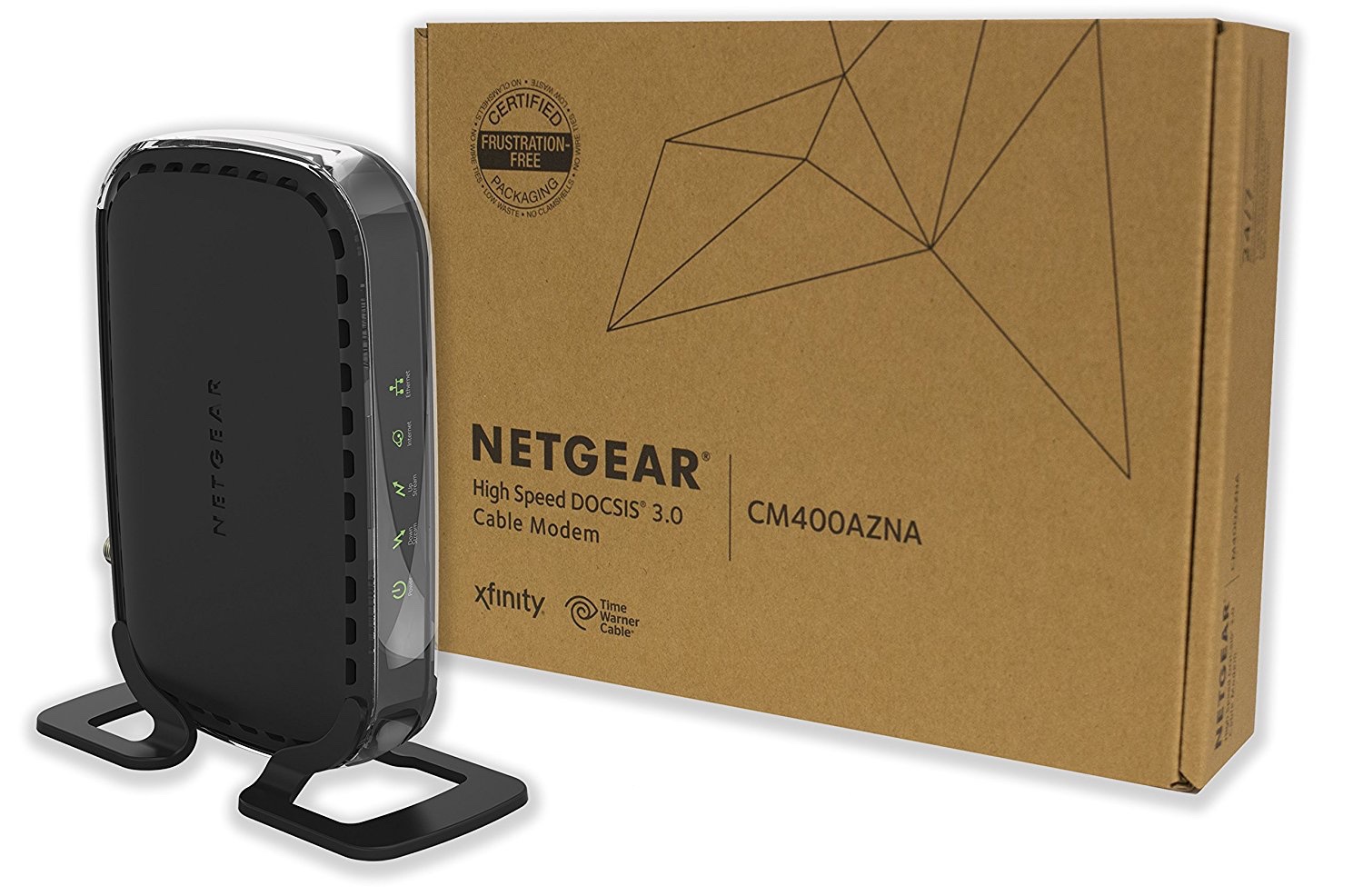
DOCSIS stands for "Information Over Cable Service Interface Specification." It'due south the protocol that lets an ISP provide net service through a coaxial cablevision. Information technology just means that your modem can provide broadband internet access.
DOCSIS three.0 and 3.1 are just version numbers. The exact differences between them basically boil down to speed and the number of simultaneous channels. The bottom line is that if your ISP offers cyberspace speeds of more than i gigabit (one,000 Mbps, or megabits per second), a DOCSIS 3.1 router is a better investment. But since the average broadband speed in the United States is somewhere in the neighborhood of only 66 Mbps, DOCSIS three.0 will exist fine for the vast majority of users.
Of course, this could change in the time to come, just past then, DOCSIS 3.1 modems volition probably be cheaper. A decent DOCSIS 3.0 modem ranges from $l to $80; DOCSIS three.one modems tend to fall between $150 and $199, though prices are coming down to the lower end of that range.
Upstream and downstream channels
When you wait at a modem, you lot'll often see a number somewhere in its description, which can exist anything from 8 x 4 to 32 x 8. It's not at all clear what the average user is supposed to glean from this. The good news is that it'south just a description of how many downstream and upstream channels a modem has.
The number before the "x" represents how many downstream channels the modem has. Roughly speaking, that correlates with how much download data your ISP tin can provide at any given time. Just about every modem provides many more downstream channels than upstream ones, because ISPs and finish users alike are more than concerned with downloading content than uploading it.
Don't sweat this role too much, unless you want the absolute top-tier packages your cable company can provide. Just call back that all other things existence equal, higher numbers are better. Any new modem yous buy should have at to the lowest degree 16 downstream channels; anything less is probably either sometime or underpowered.
Upload and download speeds
Some of the nearly important things you can learn about a modem are its upload and download speeds — and nonetheless, somehow, these always gets shoved about halfway down the page on a retailer'south or manufacturer's website. You'll come across descriptors like "up to 600 Mbps" completely devoid of context.
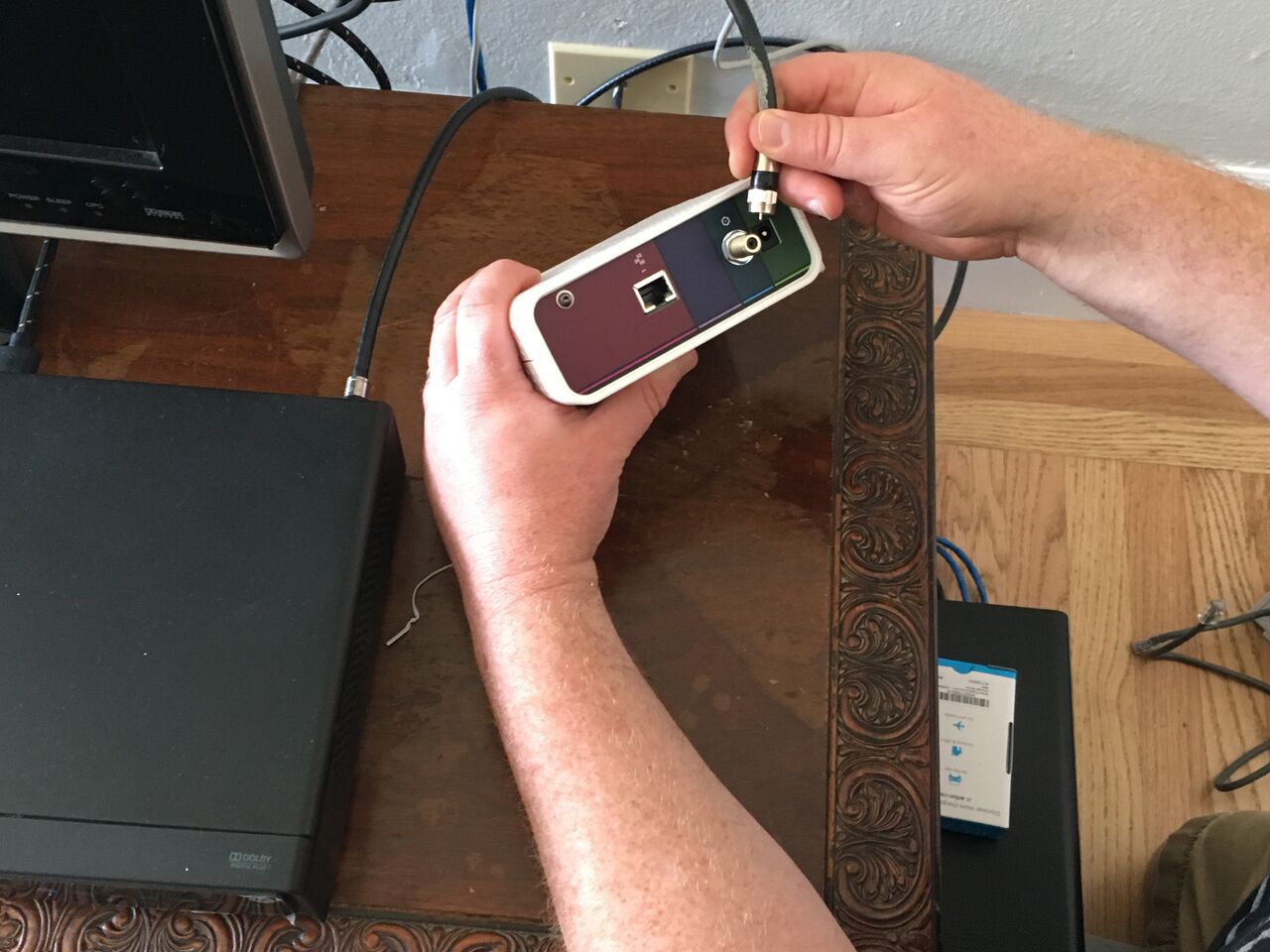
Offset off, whatsoever yous see advertised is always a download speed, never an upload speed. So if a modem advertises a speed of i gigabit, that means it tin can pull up to 1,000 Mbps from your Internet service provider. Upload speeds tend to be much slower — somewhere in the neighborhood of one-quarter the download speed. (Recollect the word earlier about downstream versus upstream channels.)
All the high speeds may seem tempting, but remember: You tin't describe more data than you lot pay for from your Isp. If your modem is capable of pulling one.4 gigabits only you subscribe to a plan that caps your speed at 25 Mbps, you're going to get 25 Mbps. Buying an extremely fast modem is more about future-proofing your setup than pushing it to its limits, unless you lot're willing to spend a tremendous amount of money on a monthly plan.
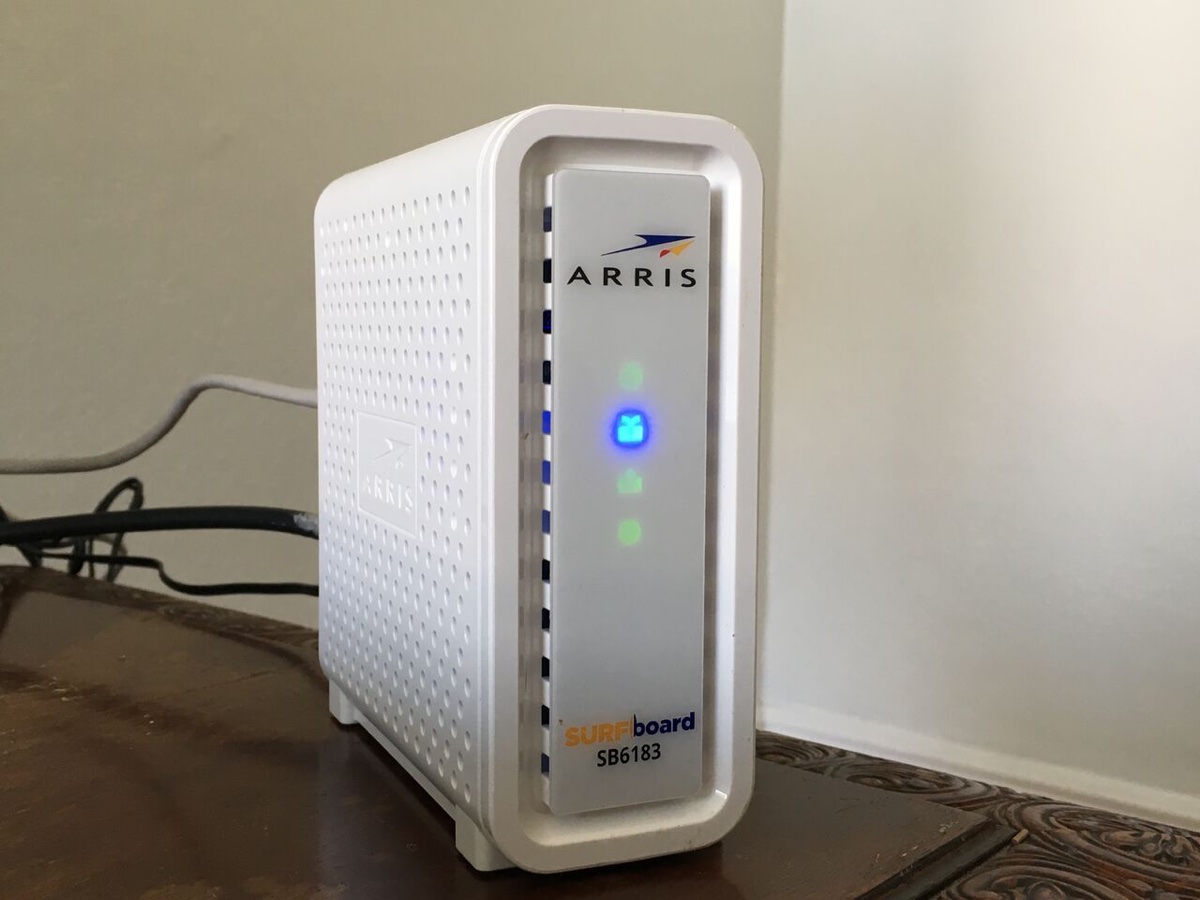
Also, call up that "Mbps" means "megabits per second," not "megabytes per second." (Viii bits make a byte.) If you subscribe to a l-Mbps plan, your maximum download speed will exist somewhere in the neighborhood of seven megabytes per second. That'due south fast, but you're not going to go a 50-gigabyte game or an enormous cache of photos in mere minutes.
ISP compatibility
The last affair y'all'll have to check is whether your modem is uniform with your Internet access provider. Virtually modems are compatible with any cable company, simply some aren't. Big companies like Comcast and Cox back up just about anything, just smaller networks may not. In that location's no hard-and-fast reason for this; it'south just the way it is. Cablevision companies run enormous networks, and they want to exist 100 pct certain that a product is compatible earlier they authorize information technology for use. The visitor must also be willing to push out firmware updates on a regular basis, which is easier for some modems than for others.
There are three methods of checking whether a modem is compatible with your Internet service provider, although only one of them is foolproof. The beginning, and simplest, is to only google "[Internet service provider] compatible modems." Run across what your search turns up. There's probably an official list somewhere on the ISP's own website — Comcast and Cox both list compatible modems, for example — although the list may not be up-to-the-minute current.
Isp modem compatibility pages
The 2nd method is to check the Approved Modems website, which exists for this very purpose. Some of the pages oasis't been updated in a while, only it'south a good place to start.
Finally, you can always just call your Internet service provider. You may have to sit on hold for a while, but it'southward the only way to get a 100-per centum definitive answer on whether a modem yous want to buy is supported. (If your ISP cannot give yous a definitive reply, ask to speak to a manager or a specialist, or consider getting a new ISP; this should not be a hellaciously hard question.)
Once you go your new modem home, yous'll probably have to call up your Internet access provider and provide the device's MAC address. This is commonly printed on the bottom of the modem, but if not, yous can access the modem'due south IP address after plugging it in via Ethernet. (Google "(brand name) modem IP address" on your phone, or on another network, if the instructions don't include it.) Some ISPs offer an automatic procedure to do this through an internet browser, just it varies depending on the provider and model.
What nigh security?
Unlike routers, which have settings you can conform to make them more secure, there's not a lot of security considerations to keep in mind when shopping for a router. That said, the occasional security issue does pop up. For example, a software vulnerability in modems that use Broadcom's systems-on-a-chip could allow a hacker to seize command of the modem and serve up malicious websites. Broadcom says it's issued a fix, so you tin can always check with your ISP to make sure that your modem is secure. (You're dependent on your Internet service provider to outcome these firmware updates, and they don't always come out in a timely style.) Investing in ane of the all-time antivirus programs also offers some, though not total, protection.
Bottom line
That'due south really all y'all need to know to buy a modem: pattern, DOCSIS, channels, speed and compatibility. With those specs in heed, all yous need to practice is pick a budget and a brand, and you'll be able to find at least a few models that match your specifications.

Source: https://www.tomsguide.com/us/how-to-buy-cable-modem,review-5607.html
Posted by: grofffeeinesell.blogspot.com
0 Response to "How to choose the right cable modem"
Post a Comment